 Sake or saké
 (pronounced
/ˈsɑːkiː/ or /ˈsɑːkeɪ/ in English and
[sake] Listen (
help·
info) in Japanese) is a
Japanese alcoholic beverage made from
rice.
This beverage is called sake in English, but in
Japanese, sake (酒) or
o-sake (お酒) refers to alcoholic drinks in general. The Japanese term for this specific beverage is Nihonshu (日本酒), meaning "Japanese sake."
Sake is also referred to in English as
rice wine. However, unlike true
wine, in which alcohol is produced by fermenting the sugar naturally present in fruit, sake is made through a brewing process more like that of
beer. To make beer or sake, the sugar needed to produce alcohol must first be converted from starch. But the brewing process for sake differs from beer brewing as well, notably in that for beer, the conversion of starch to sugar and sugar to alcohol occurs in two discrete steps, but with sake they occur simultaneously. Additionally, alcohol content also differs between sake, wine, and beer. Wine generally contains 9-16% alcohol and most beer is 3-8%, whereas undiluted sake is 18-20% alcohol, although this is often lowered to around 15% by diluting the sake with water prior to bottling.
Definition from
Wikipedia, The Free Encyclopedia How To Serve “Sake”
Usually, the Sake is served cold, warm and hot in by the Japanese people. Or it depends on the preference of the person or the quality of the Sake and the seasons.
Sake is regularly consumed hot.
Hot Sake is consumed in Winter, while cold Sake is consumed in Summer.
Normally, the way to serve Sake in Japanese restaurant is to heat it to 50 degrees C .
Over heating may cause the alcohol burned and lost it’s quality.
The common way to serve Sake in some parts of United States is to heat it to body temperature (37 degreesC /98.6degreesF)
For the professional Sake tasters prefer room temperature (20degreesC/68degreesF), while chilled Sake is 10degreesC/50degreesF is growing in popularity.
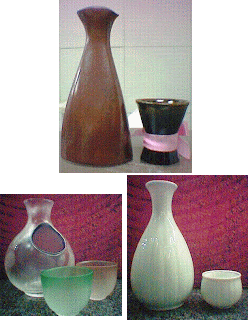
Sake is served in shallow cups, called choko. Usually, Sake is poured into the choko from ceramic flasks called tokkuri.
Other cups used in some special occasions like weddings, etc. is called ceremonial cups or sakazuki.
Another items that are used by some traditional Sake drinkers is a wooden box, called masu, made of Japanese Cypress.
Aside from being served straight, Sake can also be used as a mixer for cocktails, such as the traditional Japanese Tamagozake or the modern American Sake Bomb.
More about Sake, coming next week...
See Ya!!



 Fried Mee-hon with prime vegestables
.jpg) Biko (less sweetened stir-fried sticky rice with coconut milk and coconut milk burns ), other known as "Sinukmane"
Biko (less sweetened stir-fried sticky rice with coconut milk and coconut milk burns ), other known as "Sinukmane" 

 Sake or saké (pronounced /ˈsɑːkiː/ or /ˈsɑːkeɪ/ in English and [sake] Listen (help·info) in Japanese) is a Japanese alcoholic beverage made from rice.
 Shook! Entrance
 Japanese-Grill Section
 Italian Kitchen


